LCF Pakistan: Advancing Disability Inclusion and Community Development
Disability inclusion is about more than access to services. It is about ensuring that every person has the opportunity to participate, develop their abilities, make choices and live with dignity.
Across Pakistan, persons with disabilities and underserved communities can face barriers to rehabilitation, education, healthcare, employment and participation in everyday life.
Addressing these barriers requires more than individual support. It requires inclusive communities, accessible services, practical opportunities and collaboration between organizations, institutions and local people.
The Life Changing Foundation (LCF) Pakistan works to contribute to this change through disability inclusion, rehabilitation, assistive technology, education, skills development, humanitarian assistance and community-focused initiatives.
With a strong focus on communities across Sindh, LCF Pakistan aims to help individuals access essential support, strengthen their independence and participate more fully in family and community life.
What Does Disability Inclusion Mean?
Disability inclusion means creating environments in which persons with disabilities can access services, participate in decisions and enjoy equal opportunities without unnecessary barriers.
It includes accessible buildings, inclusive education, appropriate rehabilitation, assistive technology, employment opportunities and respectful treatment. It also means recognizing that persons with disabilities have their own abilities, ambitions, preferences and contributions to make.
For example, a child may need access to rehabilitation and inclusive learning opportunities. An adult may require assistive technology, vocational training or support to participate in employment. A family may need guidance to understand available services and support options.
True inclusion begins when support responds to people’s needs while respecting their dignity, choices and independence.
Why Disability Inclusion Matters in Pakistan
Disability inclusion is an important part of community development in Pakistan. When people cannot access essential services or opportunities, the effects can extend beyond the individual to families and communities.
Several areas deserve particular attention.
1. Access to Rehabilitation Services
Rehabilitation can help people develop or improve movement, communication, daily living skills and functional independence, depending on their individual needs.
Physiotherapy, occupational therapy, speech and language support, and other specialized services may form part of a person’s rehabilitation journey. Timely access, individualized support and family involvement can be important elements of this process.
LCF Pakistan supports rehabilitation through its service centres, including facilities in Karachi, Gambat and Hingorja. The aim is to make relevant services accessible to people who need them.
2. Assistive Technology and Independent Living
Assistive technology includes products and systems that help people perform everyday activities, communicate, access information or participate in their communities.
Depending on individual requirements, assistive support may include mobility aids, hearing-related devices, communication tools and other appropriate technologies.
The right device, combined with suitable assessment, fitting, training and follow-up where required, can help a person participate more comfortably in daily life.
LCF Pakistan’s assistive support initiatives form part of its broader commitment to disability inclusion and independence.
3. Education and Skills Development
Access to education and practical skills can create opportunities for personal growth, social participation and economic independence.
Persons with disabilities should have opportunities to learn, develop professional abilities and pursue meaningful work. Inclusive education and vocational training can help reduce barriers and support greater participation in society.
LCF Pakistan’s education and skills development initiatives contribute to this wider goal by supporting learning and livelihood-related opportunities for people in underserved communities.
4. Community Awareness and Participation
Inclusion cannot be achieved through services alone. Attitudes, social expectations and the accessibility of public spaces also influence whether people can participate fully in community life.
Families, educators, employers, service providers, community leaders and public institutions all have a role to play.
Promoting respectful language, accessible environments and equal participation can help build communities where people are valued for their abilities rather than defined by disability.
How LCF Pakistan Supports Disability Inclusion and Community Development
The Life Changing Foundation (LCF) Pakistan is a registered non-governmental, non-profit organization working to support persons with disabilities and underserved communities.
Its work brings together service delivery and community-focused initiatives designed to address different needs.
Rehabilitation and Family Support
LCF Pakistan provides rehabilitation-related services through its centres, helping individuals and families access relevant professional support. Individual needs differ, so appropriate services and interventions should be guided by assessment and professional recommendations.
Assistive Devices and Accessibility
Through assistive support initiatives, LCF works to improve access to devices that can help people with disabilities manage everyday activities and participate more independently.
Health and Audiology Services
Access to appropriate healthcare and hearing-related services can be important for well-being, communication and participation. LCF’s health-focused work includes rehabilitation-related and audiology services within its wider community support efforts.
Education, Skills and Livelihood Opportunities
LCF Pakistan also works in areas connected to education, vocational development and livelihoods. These opportunities are important because inclusion involves not only access to care but also the ability to learn, contribute and pursue personal goals.
Humanitarian and Community Assistance
Vulnerable families may experience several challenges at once, including limited access to essential resources and support. Community-focused humanitarian initiatives can help address immediate needs while contributing to wider community well-being.
Together, these areas reflect LCF Pakistan’s broader approach to disability inclusion and community development. For current program information, readers can explore the organization’s official website.
Community Development Begins with Collaboration
Sustainable community development requires cooperation among communities, non-profit organizations, government institutions, healthcare professionals, educational institutions, businesses and development partners.
Each stakeholder can contribute in different ways. Service providers can strengthen access to appropriate support. Educational institutions can promote inclusive learning. Businesses can explore accessible employment and skills opportunities. Donors and development partners can help fund well-defined initiatives and strengthen their reach.
For organizations, effective collaboration starts with understanding local needs, setting clear objectives, identifying measurable outcomes and reviewing progress.
For donors, it is equally important to understand what a proposed initiative will deliver, who it aims to support and how results will be documented.
LCF Pakistan welcomes opportunities to explore meaningful collaboration that aligns with its mission and program priorities.
How Donors and Development Partners Can Contribute
Supporting disability inclusion does not have to mean funding only one type of service. Depending on an organization’s needs and approved priorities, support may contribute to rehabilitation, assistive technology, education, skills development, healthcare or community assistance.
Individuals, companies, foundations and institutional donors can consider several approaches:
- Financial contributions: Support an approved program or initiative through the organization’s verified donation process.
- Corporate social responsibility: Explore CSR initiatives aligned with disability inclusion, accessibility and community development.
- Institutional partnerships: Discuss opportunities for collaboration, technical support or joint programming.
- Skills and professional support: Explore suitable opportunities to contribute professional expertise or other resources.
- Long-term program support: Consider initiatives with clear objectives, appropriate monitoring and documented results.
Before contributing, prospective donors should review the organization’s official information, clarify the intended use of funding and discuss reporting and accountability arrangements.
For LCF Pakistan, the next step is to contact the organization to discuss current priorities, partnership opportunities and the appropriate process for supporting a program.
Building a More Inclusive Pakistan
Disability inclusion is a shared responsibility. It requires accessible services, informed communities, meaningful opportunities and sustained cooperation.
Every person should have the opportunity to develop their abilities, make choices and participate in society with dignity. Rehabilitation, assistive technology, education, skills development and community support can all contribute to this goal when they respond to real needs.
Through its work across Sindh and its commitment to inclusive community development, LCF Pakistan aims to help reduce barriers and expand opportunities for persons with disabilities and underserved communities.
A more inclusive Pakistan is built when communities work together, institutions remain accountable and every person’s contribution is recognized.
Explore LCF Pakistan’s work, learn about its programs and connect with the organization to discuss how you can contribute to disability inclusion and community development.
Explore more:
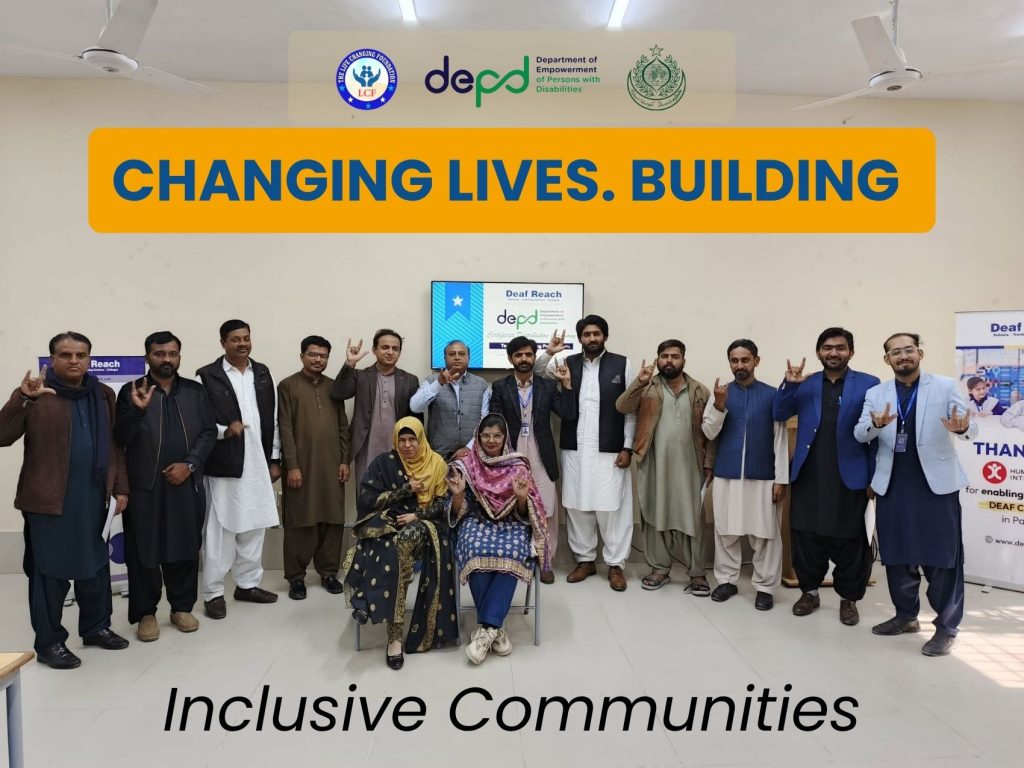
LCF Pakistan — Changing Lives, Building Inclusive Communities.