
Free Audiology Services in Sindh, Pakistan: How LCF Pakistan Is Expanding Access to Hearing Care
Hearing should never become a barrier to connection, learning or independence.
For many people, hearing is something they may take for granted until difficulty hearing begins to affect communication, education, work, family relationships and everyday life.
For children, unidentified hearing difficulties can affect speech and language development and participation in education. For adults, hearing loss can make communication, employment and social participation more difficult.
This is why accessible audiology services in Pakistan matter.
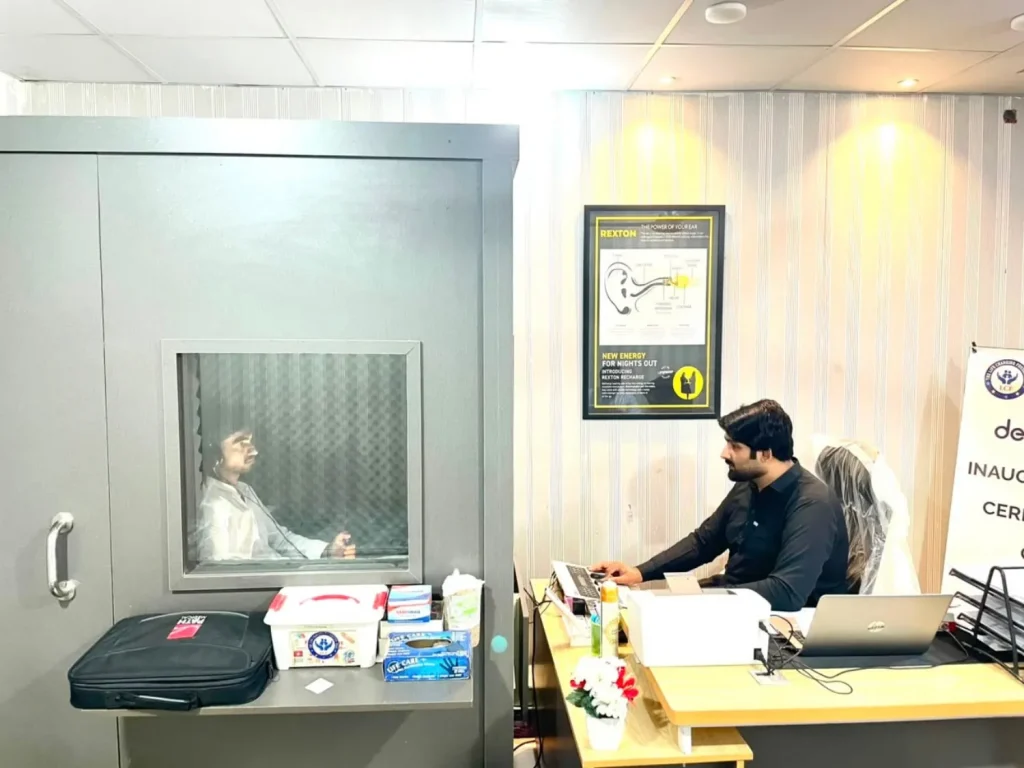
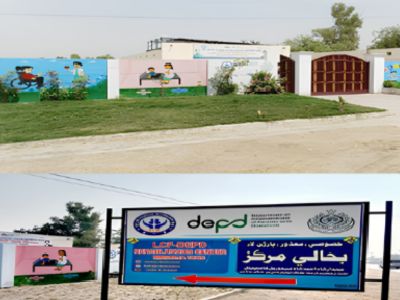
In Sindh, Life Changing Foundation (LCF) Pakistan, in collaboration with the Department of Empowerment of Persons with Disabilities (DEPD), is working to make professional hearing-related services more accessible through its Audiology Center in Hingorja.
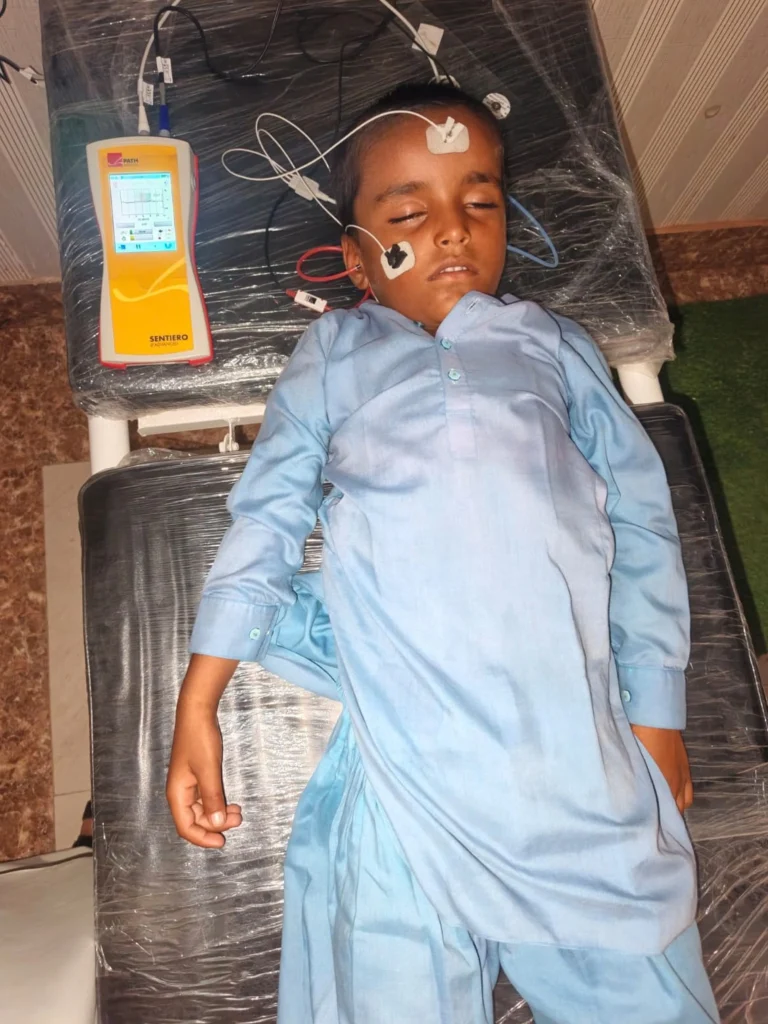
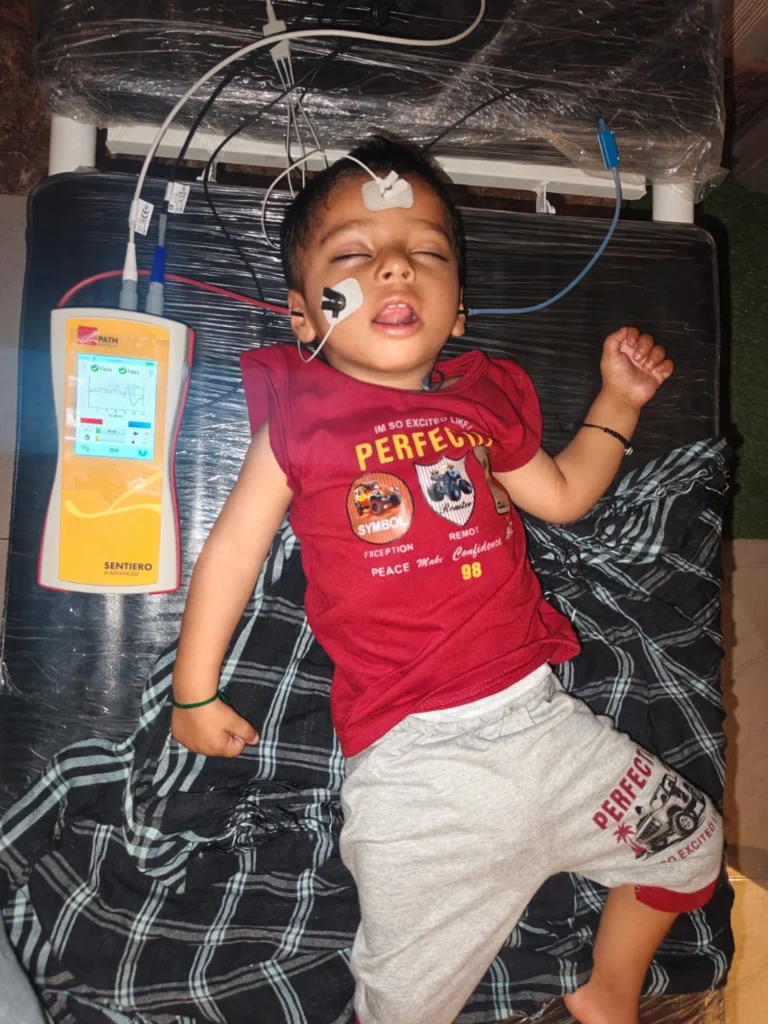
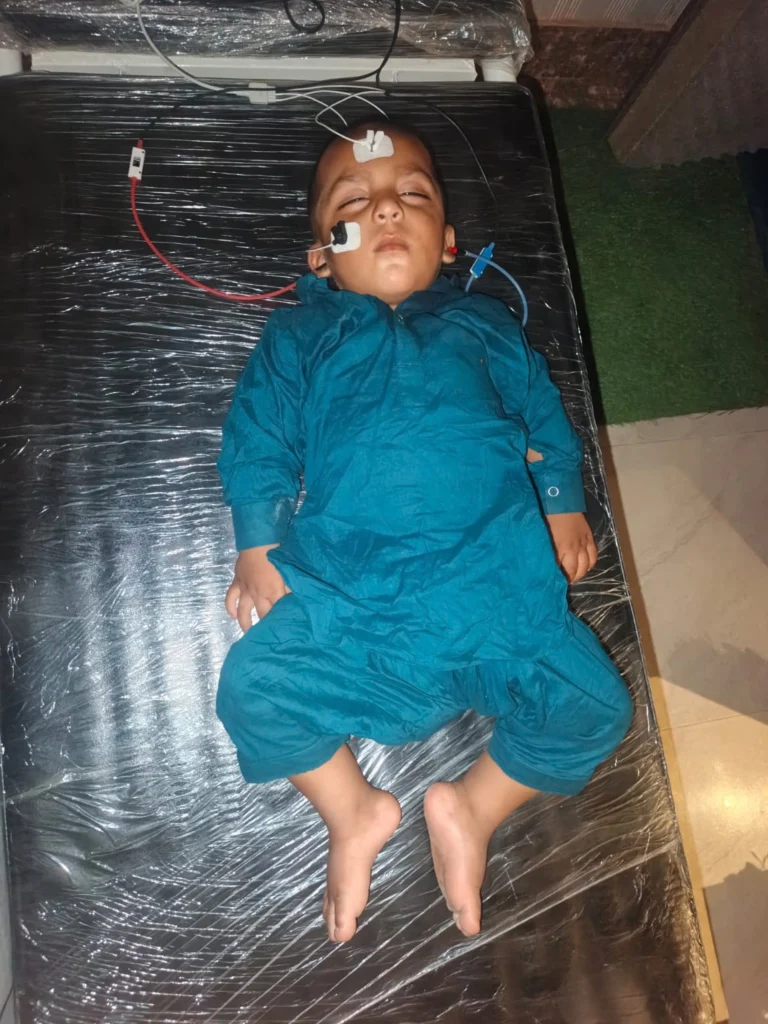
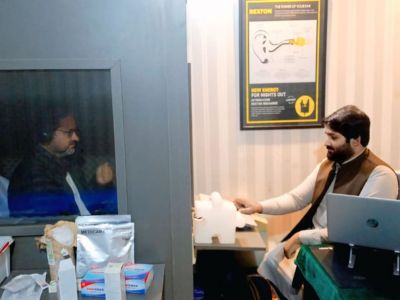
The center provides audiological assessment, hearing screening, BERA and PTA services, identification of hearing impairment, and referral and rehabilitation support for children and adults.
Why Hearing Care Matters
Hearing is closely connected with how people communicate, learn, work and participate in society.
According to the World Health Organization (WHO), more than 1.5 billion people globally live with some degree of hearing loss, while around 430 million people require rehabilitation for disabling hearing loss. WHO also estimates that by 2050, more than 700 million people could require hearing rehabilitation.
The importance of hearing care becomes even clearer when we look beyond the numbers.
Unaddressed hearing loss can affect: | |||
1. Communication | 3. Education | 5. Social participation | 7. Independence |
2. Speech and language development | 4. Employment | 6. Family relationships | 8. Quality of life |



WHO notes that early detection and appropriate intervention can help reduce the impact of hearing loss and support participation in education, work and everyday life.
This makes hearing care more than a clinical service.
It is an important part of inclusion, rehabilitation and human development.
What Is Audiology?
Audiology is the healthcare field concerned with hearing, hearing assessment, hearing disorders and rehabilitation.
Audiology services can help determine whether an individual is experiencing hearing difficulty, understand the nature of that difficulty and identify appropriate next steps.
Depending on individual needs, hearing care can include:
- Hearing screening
- Audiological assessment
- Diagnostic testing
- Hearing impairment identification
- Hearing rehabilitation
- Hearing-device related support
- Referral to relevant specialists
- Speech and language support
- Counselling and family guidance
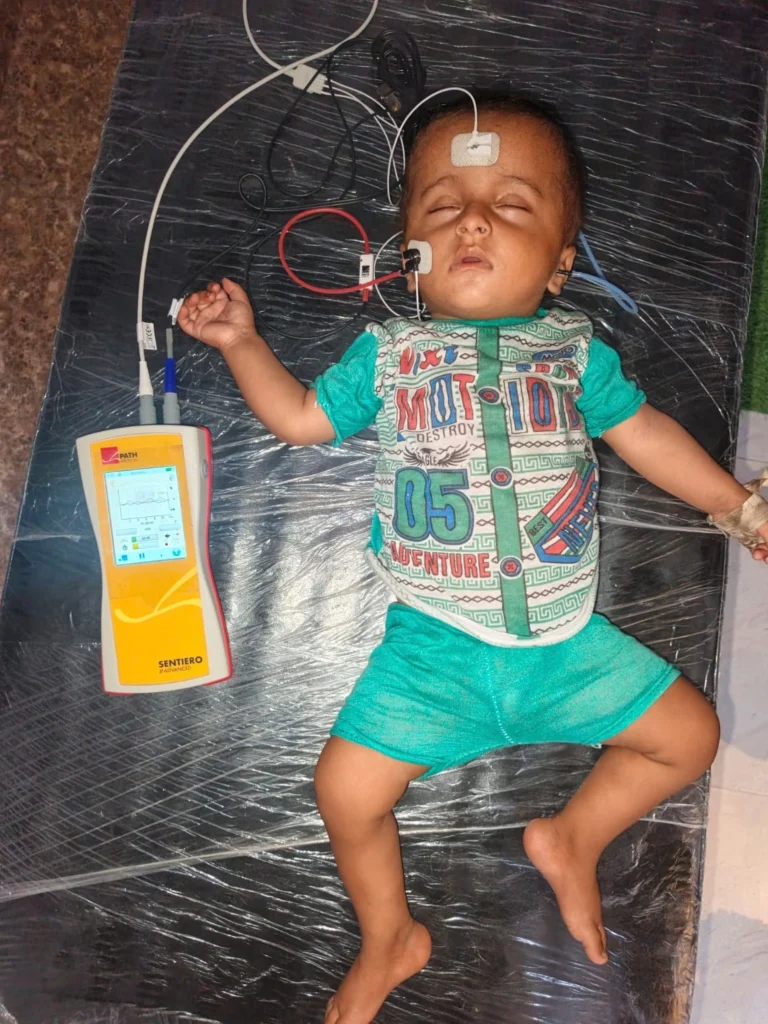
Early assessment can be particularly important for children because hearing difficulties may not always be immediately obvious.
A child who does not respond consistently to sounds or struggles to understand spoken communication may need professional assessment rather than simply being assumed to have a learning or behavioural difficulty.
Why Accessible Audiology Services Are Important in Pakistan
Pakistan has a large and diverse population, with communities living across major cities, smaller towns and rural areas.
For families living away from specialized healthcare facilities, accessing professional hearing services may involve additional travel, cost, time and logistical challenges.
Globally, WHO highlights that the majority of people living with hearing loss are in low- and middle-income countries, where access to appropriate ear and hearing care can be more limited.
Bring quality hearing care closer to the communities that need it.
This is the approach LCF Pakistan is taking through its audiology initiative in Hingorja.
Rather than viewing hearing care only as a specialized medical requirement, LCF is connecting it with its broader work in disability rehabilitation, inclusion, assistive technology and community-based support.
LCF Pakistan's Audiology Initiative in Sindh
The LCF-DEPD Audiology Center Hingorja was established by Life Changing Foundation Pakistan in collaboration with the Department of Empowerment of Persons with Disabilities (DEPD).
The center was inaugurated on 16 October 2025 in Hingorja Town, District Khairpur Mir’s, Sindh. Its purpose is to improve access to audiological services for persons with disabilities and people experiencing hearing-related difficulties.

The initiative reflects an important principle of LCF’s work:
Professional services should become more accessible to the people who need them.
The center is part of LCF’s wider rehabilitation and disability-inclusion ecosystem, which includes rehabilitation services, assistive technology, inclusive education, skills development, livelihood support and healthcare initiatives.
What Audiology Services Does LCF Pakistan Provide?
LCF’s official Audiology Center information lists several key services.
Audiological Assessment
Professional assessment helps understand an individual’s hearing ability and identify potential hearing difficulties.
Hearing Screening
Screening can help identify people who may require further assessment or diagnostic services.
BERA Services
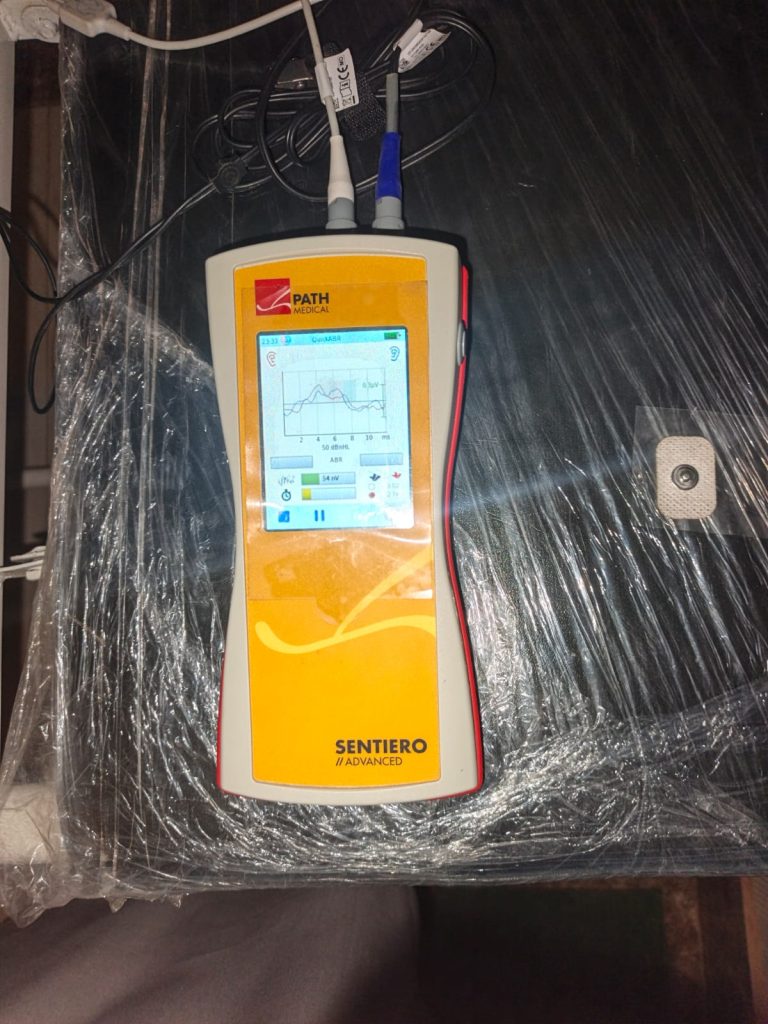
BERA is a diagnostic hearing test used as part of audiological assessment.
PTA Services
Pure Tone Audiometry (PTA) is another important hearing assessment service used to evaluate hearing sensitivity.
Hearing Impairment Identification
The center helps identify hearing-related difficulties so individuals and families can understand what further support may be required.
Referral & Rehabilitation Support
Where additional intervention is needed, appropriate referral and rehabilitation support can help connect individuals with the next stage of care.
These services are designed to support early identification, appropriate intervention, communication and participation.
Who Can Benefit From Audiology Services?
Audiology is relevant to people at different stages of life.
Children
Parents may consider hearing assessment when a child:
- Does not respond consistently to sounds
- Has delayed speech or language development
- Frequently misunderstands spoken instructions
- Has difficulty following classroom communication
- Appears to have difficulty hearing
- Has a known or suspected hearing impairment
Early identification can help families understand the child’s needs and explore appropriate rehabilitation and educational support.
Adults
Adults may benefit from hearing assessment when they:
- Frequently ask others to repeat themselves
- Have difficulty understanding conversations
- Struggle to hear in noisy environments
- Notice changes in their hearing
- Experience communication difficulties at work
- Withdraw from conversations because hearing has become difficult
Persons With Disabilities
For persons with disabilities, hearing care may be an important part of a wider rehabilitation and inclusion plan.
A hearing-related difficulty can create additional barriers to communication, education, employment and social participation.
That is why audiology and rehabilitation should often be viewed together rather than as completely separate areas of support.
Why Early Hearing Assessment Matters
One of the most important messages in hearing care is simple:
Early identification provides an opportunity to understand the problem and connect an individual with appropriate support.
WHO reports that many impacts of hearing loss can be reduced through early detection and interventions, including rehabilitation and assistive technologies.
For children, early identification can be particularly important because hearing and communication are closely connected with learning and development.
For adults, early support can help maintain communication, participation and independence.
The earlier an issue is understood, the earlier an appropriate support pathway can begin.
LCF's Audiology Services Are Part of a Larger Rehabilitation Model
LCF Pakistan does not approach disability through a single service.
Its current programs include:
- Disability Inclusion & Rehabilitation
- Assistive Technology & Mobility Support
- Inclusive Education
- Skills Development & Livelihood
- Healthcare Services
- Audiology
- Physiotherapy
- Occupational Therapy
- Speech Therapy
- Psychological and behavioural support
- Community-based support.
This integrated approach allows LCF to look at the person beyond one diagnosis or one service.
For example:
Assessment → Identification → Rehabilitation → Assistive Support → Family Guidance → Education → Follow-up → Greater Independence
This is where LCF’s audiology initiative becomes part of a much bigger inclusion model.
The goal is not simply to conduct a hearing test.
The goal is to help people communicate, participate and live with greater dignity and independence.
A Professional Approach to Hearing Care
LCF’s audiology initiative is also supported by a broader professional rehabilitation environment.
The organization’s rehabilitation centers in Gambat and Hingorja provide multidisciplinary services including physiotherapy, occupational therapy, speech therapy, psychotherapy and behavioural therapy.
This creates the foundation for connecting hearing-related needs with other rehabilitation and support services when appropriate.
LCF’s official materials also document technical review of its audiological facilities, including BERA and PTA services, reflecting an emphasis on professional service delivery and quality.
This professional approach matters because sustainable healthcare and rehabilitation programs require more than equipment.
They require:
People + expertise + appropriate technology + assessment + follow-up + rehabilitation + community access.
LCF's Journey in Disability Inclusion and Rehabilitation
The Audiology Center is not an isolated project.
It is one part of LCF Pakistan’s continuing expansion of disability inclusion and rehabilitation services.
LCF’s journey includes the development of rehabilitation services in Gambat, expansion into Hingorja, the launch of audiological services, expansion of assistive-device and livelihood programs, and the establishment of the Neurodiversity Rehabilitation Center in Karachi.
This progression demonstrates an important part of LCF’s organizational approach:
Identify a community need → develop a practical intervention → build professional services → collaborate with relevant institutions → expand access → measure impact.
That is how a service can grow from an individual intervention into a sustainable community-support model.
What Impact Is LCF Creating?
LCF measures its work across multiple areas rather than looking at one service in isolation.
Its impact includes disability rehabilitation, assistive technology, education and skills, healthcare, community support and humanitarian assistance.
LCF’s wider rehabilitation work in Gambat and Hingorja has registered hundreds of children with disabilities and provides regular rehabilitation services.
Its quarterly reporting has also documented 588 children registered through the Gambat/Hingorja rehabilitation center, with children receiving regular services, alongside assistive-device support including hearing aids.
These figures represent LCF’s broader rehabilitation and disability work, not audiology-only beneficiaries.
That distinction is important because responsible impact reporting should show exactly what each number represents.
Why LCF's Audiology Work Matters
There is already growing recognition globally that hearing care needs stronger investment and wider access.
The opportunity is not about comparing one organization against another.
It is about recognizing the size of the need and expanding the number of people who can access appropriate services.
WHO reports that low- and middle-income countries carry a disproportionate burden of hearing loss and that access to ear and hearing care remains an important challenge.
This is where organizations such as LCF can contribute:
by taking professional services closer to communities, building partnerships and creating practical pathways from assessment to rehabilitation.
LCF’s work in Hingorja represents one such community-focused response.
Why This Initiative Is Important for Sindh
For a person living in a major city, accessing a specialized service may be relatively straightforward.
For someone living in a smaller town or underserved community, the same service can involve:
- Travel
- Transportation costs
- Time away from work or school
- Family support
- Finding the right specialist
- Understanding where to go
- Paying for assessment or equipment
Reducing these barriers can make a meaningful difference.
This is why community-level and accessible hearing services are important.
LCF’s presence across Gambat, Hingorja and Karachi allows the organization to connect specialized rehabilitation services with a broader community-development approach.
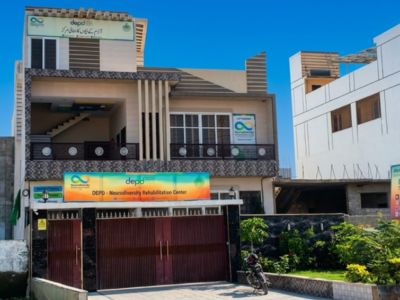
Neuro-Diverse Rehabilitation Center

Rehabilitation Center Gambat
Rehabilitation Hingorja Center
Audiology
Hearing Care Is Also an Inclusion Issue
- A hearing difficulty may not always be visible.
- But its effects can be significant.
- A child may struggle to participate in a classroom.
- A student may miss important instructions.
- An adult may experience difficulty communicating at work.
- A family may not know where to seek professional help.
- A person with a disability may face an additional communication barrier.
- WHO recognizes the relationship between hearing and communication, education, employment and participation.
That is why LCF’s approach connects audiology with its broader mission of:
Accessibility. Dignity. Rehabilitation. Inclusion. Independence.
How Donors and Development Partners Can Help Expand Hearing Care
A sustainable hearing-care program requires more than establishing a service location.
It needs continuous investment in:
- Audiological equipment
- Diagnostic technology
- Hearing screening
- Professional staff
- Hearing rehabilitation
- Hearing aids and assistive technologies
- Equipment maintenance
- Follow-up services
- Community awareness
- Outreach
- Referral networks
- Training and capacity building
- Data collection and impact measurement
WHO has specifically emphasized the importance of workforce, equipment, assistive technologies, hearing-aid fitting and related services when countries strengthen ear and hearing-care systems.
This creates meaningful opportunities for:
Corporate Social Responsibility (CSR) programs
Foundations
Philanthropic donors
Healthcare organizations
International development partners
Technology partners
Institutional donors
Equipment manufacturers
Community organizations
to contribute to the expansion and sustainability of hearing-care services.
What Can Your Support Make Possible?
Support for hearing care can contribute to practical needs such as:
Assessment
Helping individuals understand their hearing needs.
Equipment
Supporting access to appropriate audiological technology.
Hearing Aids
Helping eligible individuals access hearing-related assistive technology.
Rehabilitation
Connecting people with appropriate follow-up and rehabilitation.
Outreach
Taking awareness and screening closer to underserved communities.
Professional Capacity
Supporting the people and expertise required to deliver quality services.
Long-Term Programs
Helping organizations develop sustainable systems rather than one-time interventions.
LCF also accepts in-kind contributions, including hearing aids and assistive technologies, alongside other items supporting its disability and community programs.
FAQ's
LCF Pakistan provides audiological services through its LCF-DEPD Audiology Center in Hingorja, Sindh. The center provides audiological assessment, hearing screening, BERA and PTA services, hearing impairment identification, and referral and rehabilitation support. LCF's official materials describe its rehabilitation initiative as providing free, evidence-based services.
LCF's official materials describe its rehabilitation initiative as providing free, evidence-based and high-quality rehabilitation services. The Audiology Center is part of this broader rehabilitation and disability-inclusion initiative. For current service availability and eligibility, families should contact LCF directly.
LCF's official Audiology Center page lists:
- Audiological Assessment
- Hearing Screening
- BERA & PTA Services
- Hearing Impairment Identification
- Referral and Rehabilitation Support
BERA, or Brainstem Evoked Response Audiometry, is an objective hearing assessment used to evaluate how the auditory system responds to sound. It can be particularly useful when conventional behavioural hearing tests are difficult to perform.
For individual medical interpretation and testing decisions, a qualified audiology or medical professional should be consulted.
PTA, or Pure Tone Audiometry, is a hearing test that measures a person's ability to hear sounds at different frequencies and intensities.
It is commonly used as part of a professional hearing assessment.
Early assessment can help identify hearing difficulties and create an opportunity for appropriate intervention, rehabilitation and support.
WHO states that many impacts of hearing loss can be mitigated through early detection and intervention.
Children and adults who have suspected or known hearing difficulties can benefit from professional assessment.
For children, early assessment can be particularly important when there are concerns about hearing, speech, language or communication.
Donors can support hearing-care initiatives through financial contributions, equipment, hearing aids, assistive technology, outreach, technical expertise, capacity building and long-term program partnerships.
LCF accepts both financial and in-kind support for its wider programs.
Organizations interested in supporting disability inclusion, rehabilitation, healthcare, audiology, assistive technology, community outreach or related programs can contact LCF Pakistan to discuss potential collaboration and partnership opportunities.
Far far away, behind the word mountains, far from the countries Vokalia and Consonantia, there live the blind texts. Separated they live in Bookmarksgrove right at the coast
LCF Pakistan: Building Access, Dignity and Independence
The purpose of LCF’s audiology work is ultimately bigger than a hearing test.
It is about helping a child communicate.
Helping a family understand what support is available.
Helping a person with a disability access professional rehabilitation.
Helping communities overcome barriers.
And creating opportunities for people to participate more fully in education, work, family and society.
Through its collaboration with DEPD and its Audiology Center in Hingorja, LCF Pakistan is taking a practical, professional and community-focused approach to improving access to hearing care in Sindh.
The need is significant.
The opportunity is equally significant.
And with the right partnerships, technical support and investment, the reach of accessible hearing care can grow further.